
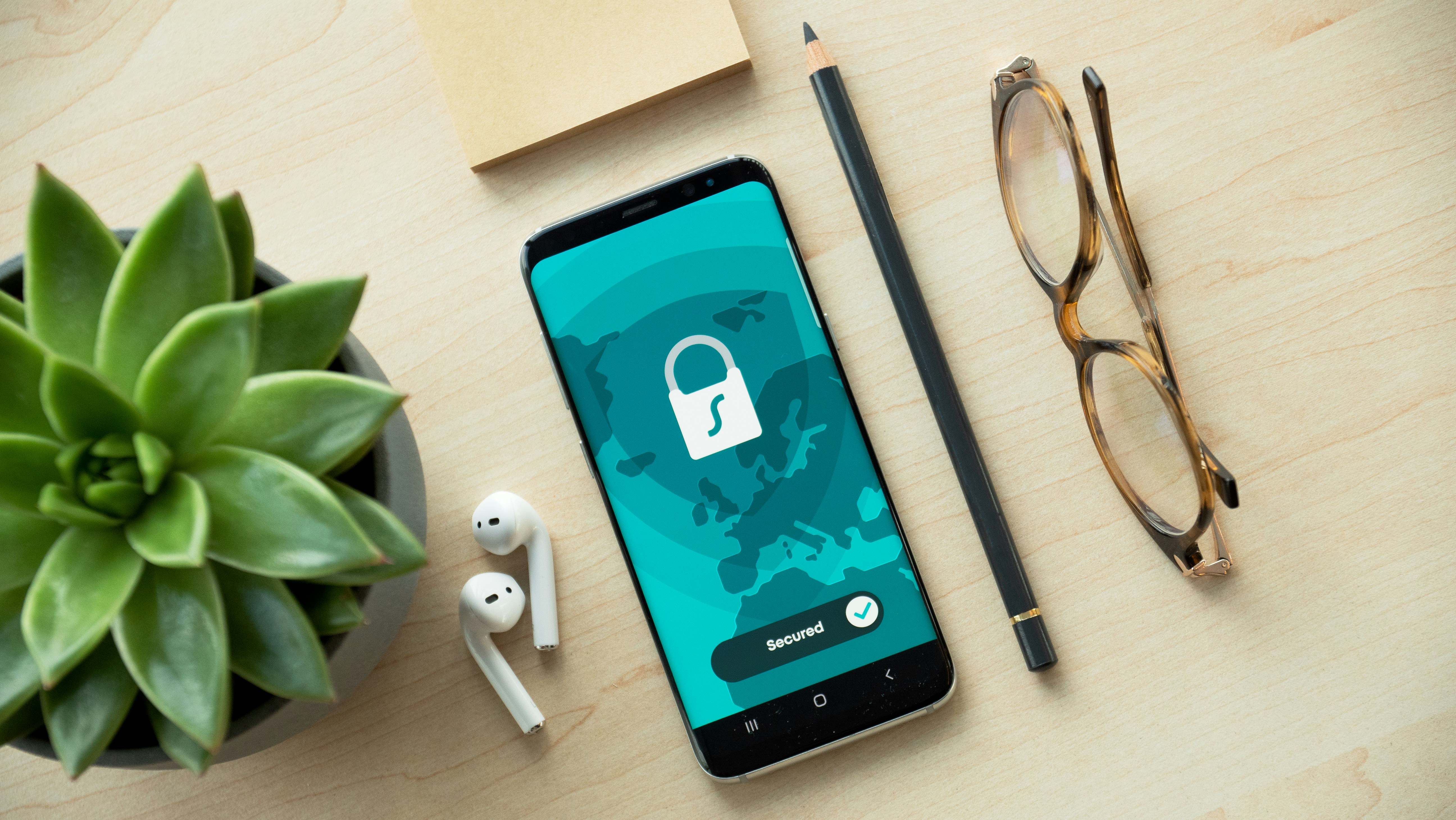
Even when you plan ahead, unexpected expenses can interfere with your budget. Sometimes, you just need a little bit of financial support until your next paycheck comes through.
When money’s tight, getting a cash advance is one way to keep your expenses under control. A cash advance sends you money from your next paycheck early, which you’ll repay when your earnings come through.
Getting your money before payday sounds great — but is it safe? You might have heard stories about cash advances that come with high fees, hurt your credit score, or expose your bank account information. The truth is, there are several different types of cash advances, and they don’t all work the same way.
Cash advances with no fees, interest, or credit check can be safe when you use them carefully. And taking an occasional cash advance doesn’t mean you’re irresponsible or bad with money — it simply helps you with unexpected expenses when they arise.
Let’s break down how cash advances work, the different types available, and how to tell which options are safe.
A cash advance is an umbrella term for several personal finance products that allow you to access money quickly.
Three types of cash advances are:
Each option has risks and benefits; it’s important to understand how a cash advance could affect your future financial situation.
The short answer: It depends on the type of cash advance you get.
Cash advances can be a very safe option when you choose a trustworthy provider. But you need to be aware of the potential risks so you can avoid them.
Some cash advance providers use credit checks, and credit card cash advances (more on these below) affect your credit utilization score — both of which may hurt your credit score. You’ll also want to watch out for high transaction fees, interest rates, and late fees, as you’ll have to pay back more than the initial advance amount.
Once you understand the risks, you can evaluate different cash advance options and make the best decision for your situation.
Cash advance apps are digital tools that help you access money you’ve already earned before payday. With these apps, you can request and manage advances from your smartphone. They have clear repayment structures with minimal fees, so they’re generally the safest way to get a cash advance.
Many people rely on these tools for financial breathing room when timing is tight. Sometimes you need to cover an unexpected medical or repair bill before your next paycheck comes through. Cash advance apps help you cover emergency expenses without taking on credit card debt or overdraft fees.
Since cash advance apps are digital tools, it’s important to choose one with strong data security and privacy features. Otherwise, your financial information could be vulnerable to cybercriminals.
Here’s a step-by-step breakdown of how cash advance apps work:
Cash advance apps keep borrowing limits low, so you can’t advance your entire paycheck. Also, reputable cash apps like Klover don’t require you to complete a lengthy application process, have collateral, or charge fees or high interest rates.
Some cash advance apps have features to keep your money and personal information safe. They also have features to help you make smart borrowing decisions and prevent you from going further into debt.
Here are the features to look for when choosing a cash advance app:
Many credit card companies offer cash advances for their customers, but they work differently from cash advance apps. This can be confusing because the options sound similar — here’s the difference.
A credit card cash advance allows you to borrow money against your existing credit limit. Many people use this option for payments they can’t make with a credit card. For example, you could make an ATM withdrawal, do a wire transfer, or get a money order using an advance from your line of credit.
These cash advances work like a short-term loan. The biggest downside is that credit line cash advances tend to have higher interest rates than the credit card itself, and you’ll start accruing that interest right away. They also tend to have high flat withdrawal fees. The advance amount, interest, and fees are all added to your credit card balance.
With these high fees and interest rates, you’ll end up paying back much more than you borrowed. And if you miss your monthly payments, the cash advance could hurt your credit score. While some credit card cash advance scenarios may make sense, it’s important to understand the risks.
Different types of cash advances come with different risks. Here’s a side-by-side comparison to help you make an informed decision.
These cash advance options are different from payday loans. A payday loan is a short-term personal loan designed to be repaid within two to four weeks, timed to coincide with your next paycheck.
The catch with payday loans is that they usually charge high interest rates and late fees. On average, you’ll pay $15 in interest for every $100 you borrow. Ultimately, the financial risk of payday loans is that it can be difficult to get out of debt, especially when you’re juggling unexpected expenses.
Before you take out a cash advance, make sure the provider is trustworthy. Here are the signs that a cash advance is safe to use:
Also, trustworthy providers don’t store your bank account information directly. Instead, they use tools like Plaid to handle cash advances and repayments safely.
Be wary of cash advance services that use a lot of financial jargon or vague language. Trustworthy cash advance providers use plain language so you know what you’re signing up for.
When you have an unexpected expense, a cash advance can help you prevent a financial emergency. But you don’t want to rely on cash advances to pay your monthly bills.
A little bit of planning and budgeting can help you use advances safely:
Financial stress can happen to anyone, regardless of how much money they make or how well they plan. Forty-two percent of Americans don’t have an emergency fund, making it difficult to cover unexpected expenses.
Sometimes factors beyond your control affect your budget, and it’s okay to seek help. When this happens, a cash advance with no interest, no hidden fees, and a predictable repayment schedule can help you get back on track. Here are a few times when it makes sense to use one:
There’s a lot of conflicting information about cash advances. Here’s what’s true and what’s false:
Myth: Cash advances hurt your credit.
Many cash advance apps, including Klover, don’t check your credit as part of the application process, so an advance won’t hurt your credit score.
Myth: All cash advance apps charge interest.
Not all cash advances charge interest. Klover doesn’t charge interest or late fees, so you’ll only repay the advance amount.
Myth: Linking your bank account is unsafe.
Cash advance apps are safe as long as they use a secure platform to connect to your bank account. Klover uses Plaid for secure, read-only access to transfer advances to your account.
Myth: Using a cash advance means you’re bad with money.
No matter how much you budget, unexpected expenses may pop up. If this happens to you, using a cash advance app can help you avoid overdraft fees and credit card debt. It’s okay to seek the financial support you need — it doesn’t mean you’re irresponsible.
Klover offers essential security features:
Klover’s cash advances are income-based, so there’s no credit check required. There’s also no interest and no late fees. It’s a quick, simple way to bridge the financial gap until your next paycheck.
While cash advances can create financial risk, they can also be safe, especially when paired with responsible budgeting, a reputable provider, clear terms, and a transparent experience.
Everyone needs a little financial support from time to time, and Klover is here to help. The Klover app offers a secure, interest-free way to access up to $400 of your earnings before payday — no credit checks or fees required.
Download Klover today for simple cash advances that give you some financial breathing room.
Are cash advances safe?
Cash advances can be safe, depending on the provider and the terms. Apps that offer clear fees, no interest, and predictable repayment tend to be easier to manage. Credit card cash advances work differently and often have higher costs, so it’s helpful to understand the differences.
Do cash advance apps affect your credit score?
Many cash advance apps, including Klover, don’t perform credit checks. That means using them doesn’t affect your credit score. Repayment is automatic on your next payday, which helps you avoid missed payments or surprises.
What’s the safest way to get a cash advance?
Look for a provider with transparent fees, strong security tools, and simple repayment terms. Features like no interest, no late fees, and secure bank linking through Plaid can make the experience more predictable and easier to manage.
Are cash advance apps safer than credit card cash advances?
They work differently, so the risks differ. Credit card cash advances often include fees and interest that start immediately. Cash advance apps may feel safer because repayment is predictable and fees are clearer, but it depends on the provider.
How can I avoid getting stuck in a cycle of borrowing?
Use advances only when you’re confident you can repay them, and choose tools with no interest or late fees. Setting spending alerts or using budgeting tools can help you stay ahead of timing gaps, especially when money feels tight.


