
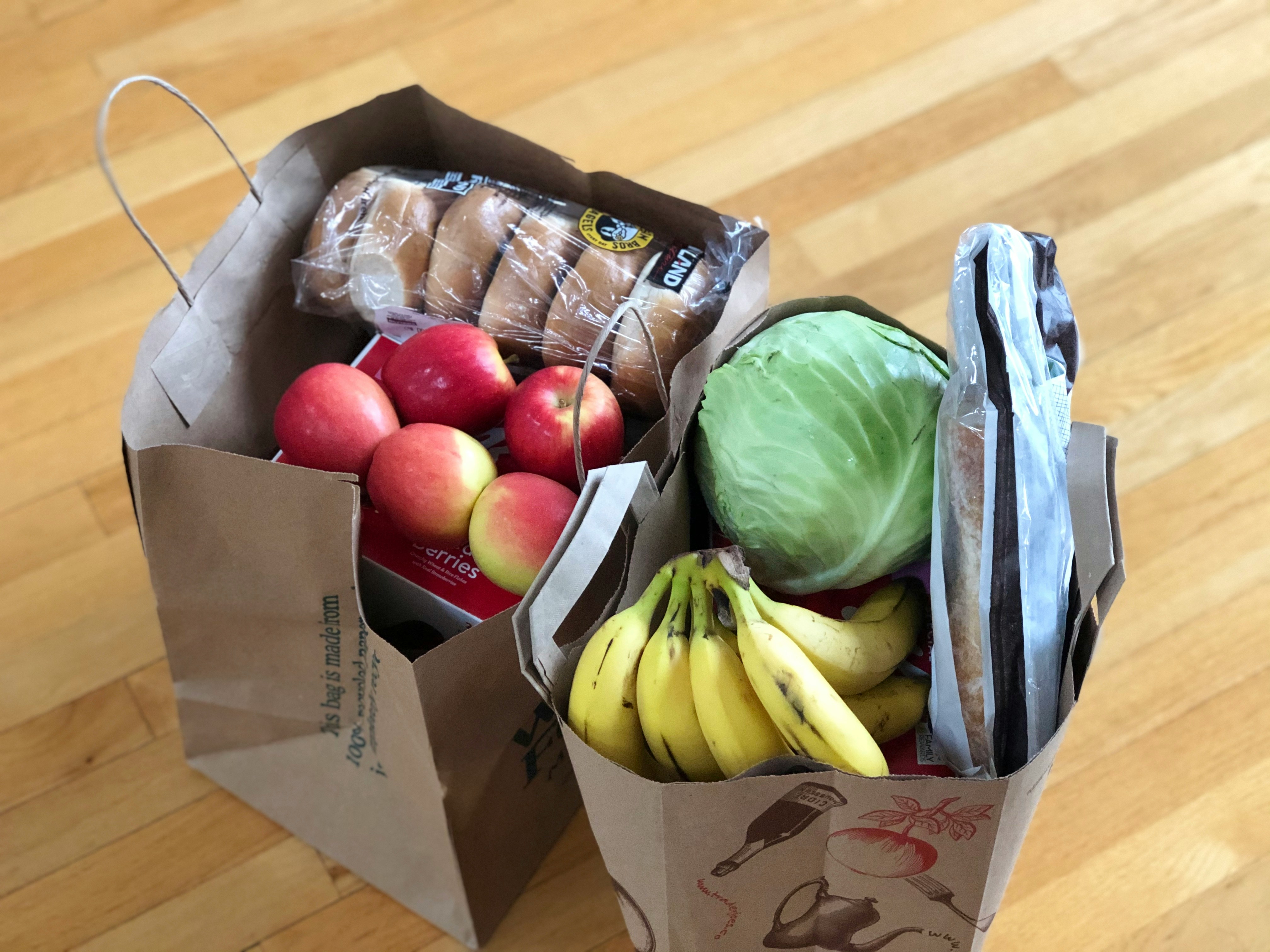
Grocery bills are up — again. In August 2025, food-at-home prices (what you buy in the grocery store) were 2.7% higher than a year ago. That may not sound huge, but it adds up when every loaf of bread and carton of eggs costs a little more each trip.
Between supply chain snags, higher labor costs, and shrinkflation (smaller packages, same price), it’s easy to feel like your grocery budget doesn’t stretch as far as it used to.
But you’re not powerless. With a few smart habits, you can take steps to save money on groceries and make your dollar go further, even when prices keep climbing.
We’ll walk you through several ways to bring your grocery budget down and keep it manageable.
The first step is knowing what you can really afford. Consider this: on average, Americans spend about 10.4% of their take-home income on food. But that number varies by income: lower-income households tend to spend over 30%, while higher-income households often spend closer to 8%.
So where do you land? Review a few months of receipts or bank statements to see your actual spending. Then set a realistic weekly or monthly target, adjusting for family size and dietary needs. Aim to trim 5%–10% to challenge yourself.
A few simple ways to stay on track include:
Spot issues early and tackle them:
Meal planning’s one of the easiest ways to save money and reduce waste. Consider that the average U.S. family of four loses about $1,500 per year to food waste. That’s a lot of money being thrown away. But a bit of planning can help keep it in your pocket.
Start with affordable staples like:
Once you’ve picked your staples, think about how to use them creatively. Choose a few ingredients you can repurpose throughout the week: chicken for stir-fries, soup, sandwiches, and tacos. Plan one “leftover night” to clear out your fridge, and rotate easy meals, so planning doesn’t get stale.
Make and follow your grocery list:
A little prep upfront means fewer impulse buys, more money saved, and extra time in your week for other things you enjoy.
Before heading to the store, take a quick inventory of what’s already in your pantry, fridge, and freezer. You may be surprised at what you have: half a bag of rice, a few cans of beans, a box of pasta.
Shopping your pantry first helps you avoid buying duplicates and makes sure you use older items before they expire.
Get creative with what you find. You can turn pantry staples into simple, delicious meals, like:
You don’t have to cook from scratch every night. Just think in terms of combining what’s already there, and make it a habit of planning meals around the items and ingredients you have, not just what you want.
Smart shopping involves how you buy, not just what you buy. For example, comparing prices and timing your trips can significantly reduce your weekly grocery bills.
Pay attention to unit prices, not just sticker prices. The smaller number on the shelf tag (like “per ounce” or “per pound”) helps you see which product gives you the best deal.
And don’t overlook store brands. The same manufacturers of name brands often make store-brand products, but sell them at lower prices: roughly $2 less on average. Again, that small amount adds up when you buy multiple items.
Some easy ways to stretch your grocery budget even further include:
A little strategy goes a long way. Once you’re in the habit of comparing, timing, switching things up, etc., you’ll start seeing real savings — without sacrificing what you love to buy.
Supermarket design focuses on getting shoppers to spend more than planned. Every aisle, display, and “special” deal has a purpose. Once you know how to spot them, it’s easier to shop with confidence and keep your cart (and wallet) under control.
You know those colorful endcaps stacked with snacks and “buy one, get one” offers? They’re meant to grab your attention, not give you a better deal. Same goes for pre-cut produce — that can cost double or even triple the price of whole fruits and veggies for a bit of extra convenience.
Other smart ways to avoid overspending include:
Grocery shopping with intention doesn’t mean you can’t grab a treat. It just means you’re choosing it, not getting ‘sold’ into it. Awareness is your best defense against clever marketing.
Grocery apps give you a simple way to save money without clipping paper coupons. They can help you find discounts and earn cash back while tracking rewards from your favorite stores. Digital flyers and price comparison tools in these apps make it easy to plan your shopping trip around the best deals each week.
Examples include:
Even with apps, timing can be tricky. Sometimes, your next paycheck hasn’t arrived yet, for example. Apps like Klover can complement these savings apps, helping you access money early, so you can still take advantage of deals without straining your budget.
Saving on groceries doesn’t need to be a solo mission. Teaming up with friends or neighbors can make meal prep more fun, reduce costs, and build connections. One simple way: rotate who hosts a weekly dinner or potluck, so everyone contributes and shares the workload.
Buying larger quantities of staples (e.g., rice, pasta, proteins) at a warehouse club and sharing them among friends can also cut expenses while ensuring nothing goes to waste.
Extra ways to make it work:
Pooling resources is smart for your budget and offers a fun way to stay connected and enjoy meals together.
Buying in bulk at warehouse clubs or wholesale stores can save you money — even if you have a smaller household — when you share costs with family and friends. Larger packages often come with lower unit prices, making staples like frozen veggies or rice more affordable when you split them among several people.
Ways to coordinate bulk purchases include:
To prevent waste, divide bulk items into smaller portions right away, and freeze or store what you won’t use immediately. Label containers with dates and rotate products so you use older items first. This keeps your food fresh and your savings intact.
Bulk buying with a plan saves money and reduces trips to the store, while ensuring you stock up your pantry.
Keeping food fresh longer helps you get more for your money while cutting back on food waste. Store your perishable foods safely so they won’t go bad (and you won’t get sick from eating them):
Get creative with batch cooking or using leftovers, like roasting a large tray of veggies to serve as a side or add to salads. Or cook a big batch of beans or lentils and freeze them in mid-sized portions for burritos and soups.
A few other ideas include:
Planning meals carefully and portioning wisely means you can make every ingredient — and every dollar — go further.
Stretching your grocery budget doesn’t have to feel like a hassle. Think outside the box for ways to get more for your money. Check out local co-ops, community gardens, or discount box programs — all great ways to grab fresh, affordable ingredients while supporting local growers and connecting with your community.
You can also brainstorm ways to bring in a little extra cash on the side, like:
For those occasional shortfalls, Klover offers a safe, interest-free cash advance, so you can fill your fridge without relying on high-interest credit cards or skipping essentials.
It’s ok to need a little help sometimes. Life happens, and a short-term boost can keep you covered without derailing your budget. Think of a safe cash advance as a tool in your financial toolbox: it helps you get essentials like groceries without incurring high-interest debt or falling into payday traps.
Here’s a quick look at emergency options:
Low-fee, no-interest advances like Klover’s offer a safer choice, giving you the cash you need without any hidden charges or high interest that can get you stuck in a debt cycle.
The key is using cash advances wisely — only for necessities like putting food on the table — not for splurges. You get short-term breathing room in a tight spot, while focusing on habits that serve you better in the long run, like smart budgeting and meal planning.
Financial peace of mind is within reach when you pair smart planning with the right tools. Simple habits, like budgeting and meal planning, go a long way — but life isn’t always predictable.
Maybe a paycheck comes a day or two late or the kids need snacks for a last-minute school event. That’s where a safe, low-fee option like Klover can help.
Klover gives you a way to afford essentials without having to worry about high interest rates or late fees. A quick cash advance can ensure your fridge stays full or that you’ve got what you need for dinner.
Combining practical habits with a tool you can lean on when life happens allows you to stay on top of money and meals. Take charge today and feel confident handling whatever the week throws your way.
Short on funds? Grab your advance today.
Specialty foods can be pricey, but you can still save by buying in bulk when possible, choosing naturally allergen-free whole foods (like produce, beans, and grains), and joining online communities where people share deals on gluten-free, dairy-free, or other specialty products. Some brands also offer rebates or subscription discounts directly through their websites.
You can still save by batching simple components rather than full meals — like cooking a pot of rice, washing produce, or pre-portioning snacks. Using frozen vegetables, rotisserie chickens, or pre-made sauces can also cut prep time while keeping costs down. The key is to prep enough to avoid last-minute takeout, not to cook everything from scratch.
Focus on long-term habits that insulate you from price swings: build a pantry of low-cost staples, buy seasonal produce, learn a few budget-friendly recipes you enjoy, and rotate between stores based on sales cycles. Pairing these habits with flexible financial tools — like safe cash advances when money is tight — helps you adapt even when prices change unexpectedly.


