
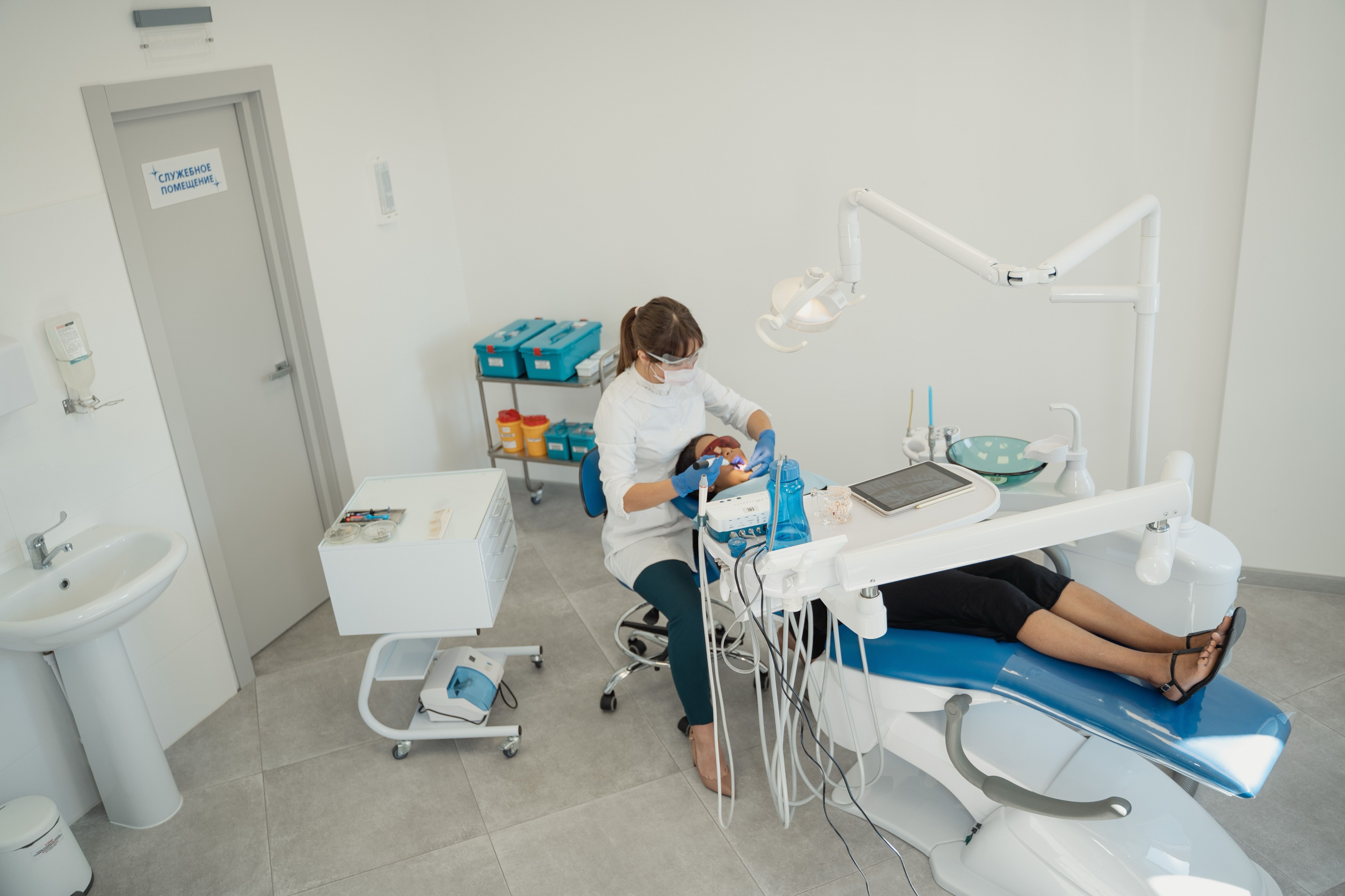
You need dental care now, but it can be expensive, and paying for it may feel out of reach. That situation is common for a lot of people. In 2024, 41% of U.S. adults delayed or skipped needed dental care because of the cost. A cracked molar or a swollen gum doesn't wait for payday, and neither should treatment.
The real question is which payment path matches your treatment cost and timeline, whether that's a negotiated plan with your dentist, a low-cost clinic, credit-based financing like CareCredit, or a no-credit-check cash advance app that bridges the appointment deposit.
Four paths, four different sets of rules. Some move fast but need good credit. Some skip the credit check but only cover part of the bill. This breakdown covers all four by speed and credit accessibility, so you can walk into your appointment knowing which option actually fits your situation, not just which one sounds cheapest on paper.
*Disclaimer: The information in this article was verified as of the publication date. Cash advance app fees, limits, features, and eligibility requirements change often, so details may be different by the time you read this. Before requesting an advance, review the app’s current terms and conditions to confirm the details that apply to you.
Dentist payment plans, dental school clinics, and community health centers are the lowest-cost dental payment paths, but they work best when you can trade speed for a smaller out-of-pocket cost. If your procedure can wait several weeks, these routes can save you money. If you're in pain today or have an appointment tomorrow, they probably won't move fast enough to help.
Below, we'll look at dentist payment plans, dental school clinics, and community or nonprofit programs. If none of those fit your timeline, we'll also cover what to know about cash advances without a bank account.
An in-house payment plan directly with your dental office may let you split the bill without filling out a credit application. You're simply asking the practice to let you pay over time instead of all at once.
Call or visit the billing office and ask if they offer in-house installments for your treatment. Many practices will let you time payments around your paydays, so a $600 procedure might become three $200 payments spread across your next three paychecks instead of one lump sum due at checkout.
Approval isn't guaranteed, and every practice sets its own terms. Some will work with you informally, others may say no, so it's worth asking before you assume care is out of reach. If the office can't offer a plan, these strategies for paying bills when you're broke can help you figure out your next move.
A dental school clinic can lower your treatment cost, but only if you can work around longer visits and a possible waitlist.
The savings come from who does the work: supervised dental students handle your procedure under a licensed dentist's direct oversight. That extra supervision means slower, more methodical appointments, since students are still learning.
This trade-off fits planned care, like a filling or a cleaning you can schedule weeks out, not a toothache that needs attention today. Availability also depends on the school's caseload and which procedures its program covers that semester.
Call a dental school near you directly and ask what treatments they're accepting new patients for right now. If you're paying your own way through school and tight on cash before an appointment, a cash advance for college students can help cover the expense.
Community health centers and nonprofit programs may reduce dental costs for eligible patients who can wait for care. These are two different paths, so it helps to know how each works before you apply.
Neither option moves fast enough for an immediate appointment, so they work best when your treatment can wait a few weeks. If money is tight right now and you're weighing every option, this guide on finding emergency cash when you need it fast covers more immediate paths.
CareCredit requires a credit application and approval before you can use it, so it may not be accessible if your credit is thin or damaged. It’s a healthcare credit card, not a cash advance app. Credit cards run on interest and credit checks, while a cash advance app typically looks at your income instead of your credit history.
CareCredit's promotional plans often use deferred interest. That means no interest accrues during the promo window, but if you don't pay off the full balance by the deadline, interest applies retroactively to the entire original amount, not just what's left. The Consumer Financial Protection Bureau (CFPB) found this structure led to deceptive enrollment practices, citing a 26.99% deferred rate and ordering a $34.1 million refund to affected cardholders.
If your credit history is limited, this approval requirement can stall treatment when you need it, a bridge that cash advance apps are built to support.
A cash advance app can bridge a small dental payment gap when treatment can't wait for a slower assistance path. If your dental office needs a deposit before your next paycheck or benefits deposit lands, these tools give you early access to income you've already earned, based on verified deposits rather than a credit score. Apps in this space include Earnin, Dave, Brigit, MoneyLion, and Albert, though several charge monthly membership or expedite fees. Below, we cover eligibility, transfer speed, and how a cash advance app like Klover works.
Cash advance app eligibility usually runs on your income, not your credit score. Instead of pulling a credit report, most apps ask you to link a bank account so they can verify money coming in.
Here's the typical process:
Download the Klover app to check your eligibility today.
Qualifying users can get funds the same day, while CareCredit approval and card issuance can take days, and dental school or nonprofit clinic waitlists can stretch into weeks.
Speed matters when a dentist won't start treatment without a deposit and your appointment is tomorrow, not next month. Cash advance apps look at your recurring income instead of running a credit check, which is why they can move faster than a credit application. If your credit history is thin or bruised, that approach opens a door that options based on employment instead of credit can explain in more detail.
Same-day speed isn't automatically free. Standard transfers can take a day or two at no extra cost, while instant transfer usually has a small fee. Weigh that fee against the cost of delaying care before you decide.
Klover offers cash advances up to $750 with no interest, no mandatory monthly fee, and no late fees for qualifying users. Eligibility runs on a qualifying W-2 payroll deposit, not a credit check.
The app's points system lets you earn access to larger advances by completing surveys and offers, which helps if your dental gap runs closer to the $750 ceiling than a small buffer.
If you want more ways to shrink the gap before payday, this guide on saving money fast can help.
CareCredit requires credit approval, while Klover skips the credit check, making that the single biggest structural difference between these two options.
Here's how the two options stack up on the factors that matter most when you need to cover dental work fast.
Klover looks at your income, so a rough credit history doesn't stand between you and same-day funds. If you've been turned down before because of your credit, read up on cash advance apps for bad credit to see what your options look like.
A larger dental procedure may be easier to manage by pairing a low-cost payment path with one small cash advance for the immediate deposit.
A crown or root canal often comes with two costs: a deposit due before treatment and a balance spread over follow-up visits. Your dentist's in-house payment plan can cover that larger balance over time. A Klover advance can cover just the smaller deposit, so treatment isn’t delayed while you wait on a payment plan to process.
Managing both pieces across a few paydays gets easier with a clear budget. Klover's built-in budgeting tools and spending tracker can help you map out when each dentist payment is due and confirm you have room in your paycheck before it hits. If you're rethinking how your paycheck gets divided between bills, savings, and treatment costs, the 50/30/20 rule is a helpful starting point.
Keep the advance sized to the deposit alone, not the full procedure. Request only what your next paycheck can comfortably absorb.
A payment plan at your dentist's office or a sliding-scale clinic wins when your procedure is weeks out. That's the cheapest road every time. The math changes when your appointment is tomorrow and the deposit is due today.
Putting off dental care isn’t your only option when payday is too far away. Check your Klover advance eligibility before your appointment.
Cash advance apps like Klover verify income instead of pulling a credit report, so applying doesn't create a credit inquiry. This makes cash advances different from CareCredit, which does report account activity to credit bureaus. Using an advance to cover dental costs generally has no direct impact on your credit score.
Eligibility for cash advance apps typically depends on a qualifying W-2 payroll deposit arriving on a regular schedule. If your income comes from irregular gig work or cash payments, you may not meet that eligibility standard. In that case, a dentist's in-house payment plan or a community health center's sliding-scale fee may offer a more realistic path forward.
Dental work costs vary widely depending on the procedure, from a basic filling to a crown or root canal. Without insurance, even routine care can run into hundreds of dollars per visit, which is part of why many patients delay treatment.
Is it risky to use several cash advance apps at once to cover a dental bill?
Using several cash advance apps at once can quickly stack up repayment obligations across multiple paydays. Since each app pulls from the same paycheck, stacking too many advances can leave little money for other bills. A steadier approach is one right-sized advance paired with a lower-cost option, like a dentist payment plan, for the remaining balance.
If a dentist's office declines an in-house payment plan, a dental school clinic or community health center may still offer reduced-cost treatment. Both options take longer to schedule, so they work best when your procedure isn't urgent. For care you need sooner, a cash advance app like Klover can cover part of the cost while you look into a lower-cost provider.


